

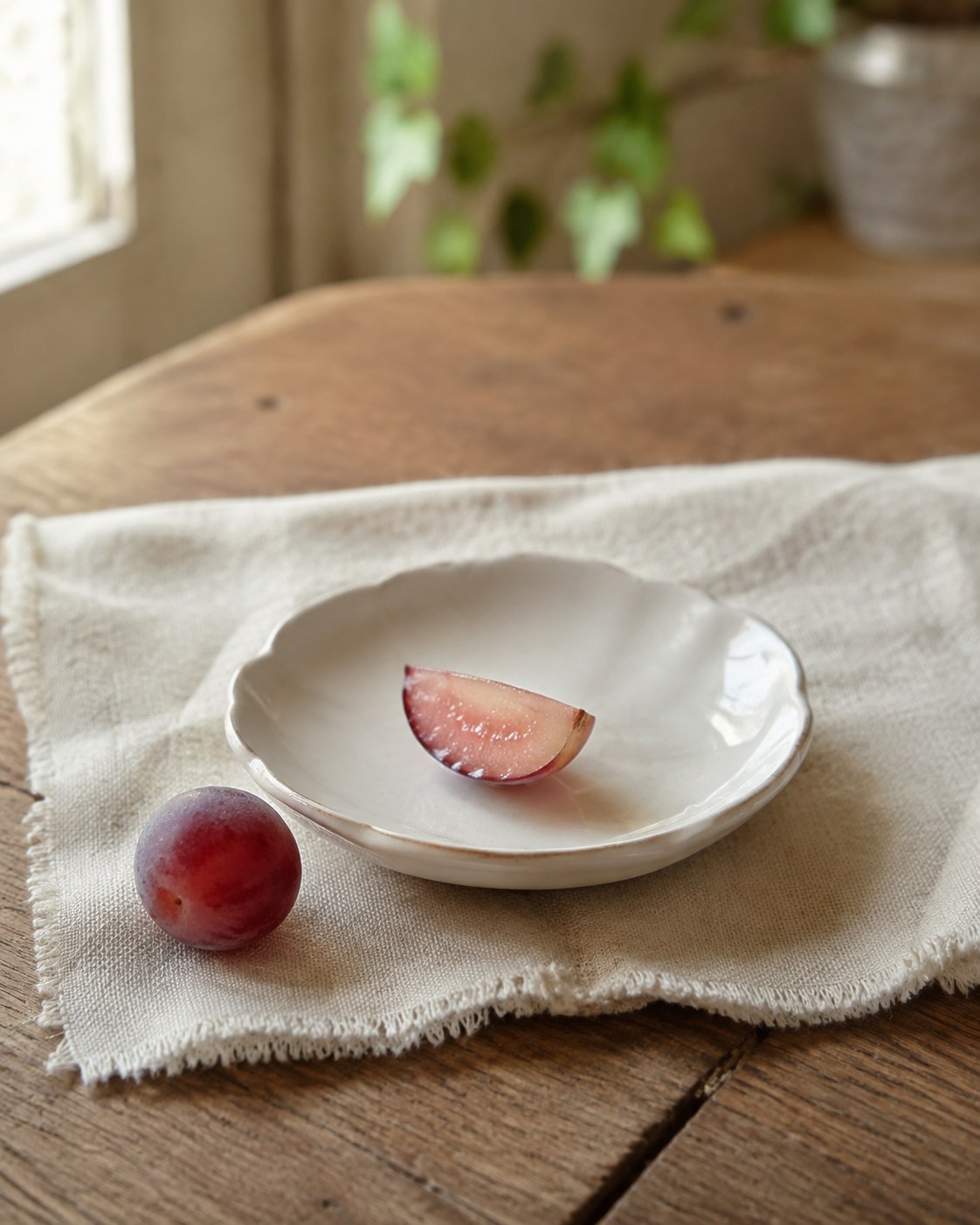
Quick answer: Can rabbits eat grapes?
A very small piece of grape can fit into some healthy adult rabbits’ diets, but grapes are optional, and the experts do not fully agree. UC’s rabbit nutrition publication allows very limited amounts, Purdue’s care guide suggests skipping grapes altogether, and neither gives a universal safe grape count. If your rabbit already does well with fruit and your vet is comfortable with it, think tiny and occasional. Skipping grapes is a perfectly kind choice too—your rabbit has plenty of better everyday pleasures.
How much grape is a small treat?
A grape can be a neat little bead or nearly the size of a plum. That is why “one or two grapes” is a wobbly measuring rule, even before a rabbit starts looking hopeful about seconds.
NC State’s care guide points to a piece of fruit about ½ inch across, a few times a week. That is general fruit guidance, not a tested grape dose—so if you and your vet decide grapes belong on the treat list, let one small cut piece fill that allowance. If another fruit has already had its turn that week, the grape can wait.
If your rabbit has recurring soft stools, carries extra weight, or is on a special diet from the vet, check with them before adding any fruit. Dr. Brendan Noonan at MSPCA-Angell points to sweet treats as a common reason those delicate gut microbes fall out of balance. Fruit is never something a rabbit needs to have a good life. Fresh hay, greens, room to move, social time, and familiar routines are already the heart of the day.
If grapes are on your rabbit’s treat list, keep the prep plain: wash a fresh grape under running water, remove the stem, and cut off a small piece. Seedless grapes make that easiest. Washing follows FDA produce-handling guidance—choosing seedless fruit and trimming it are practical kitchen steps, not proof that every seed or stem is a poison.
Why the advice is cautious
MSPCA-Angell explains that too much sugar and starch can disturb the beneficial organisms that help a rabbit digest food. When that balance slips, droppings can turn sticky or poorly formed, nutrients may not be absorbed, and some rabbits can become genuinely unwell. This is why the whole diet matters more than any one treat: Merck’s rabbit diet guide keeps hay at the center, with appropriate greens and a measured amount of plain pellets.
The sources approach grapes differently because they are trying to protect the same small, sensitive digestive system. The University of California’s 2009 extension publication lists grapes as a very limited treat because of their sugar content. Purdue takes the more conservative route and recommends avoiding grapes and bananas, noting they may be addictive. For some rabbits, the hardest part of a grape is not the first bite—it is the disappointed little face when there is no second one. There does not appear to be a controlled trial establishing a safe dose for grapes.
That disagreement does not have to turn into an argument at your refrigerator. Grapes are not essential, and one accidental nibble is not the same as proof of danger. If you would rather keep things simple, a familiar leafy green can feel just as special.
Skins, seeds, stems, and grape colors
Can rabbits eat grape skins?
The UC guidance talks about grapes as a whole and does not ask you to peel them, and it does not test the skin on its own. Washing and offering a small piece is the practical approach if grapes are already part of your rabbit’s diet. Peeling does not remove the sugar, so a peeled grape is not a way to make the serving bigger. The small-piece rule still applies.
What about seeds and stems?
Remove stems and choose seedless grapes for simplicity. The sources used here do not establish a rabbit-safe serving of grape seeds, stems, or vine leaves, so this guide does not recommend feeding them. NC State’s cyanide warning names apple and pear seeds and apricot pits; it should not be stretched into a claim about every fruit seed in the bowl.
Green, red, or black grapes?
Neither UC nor Purdue sets different advice by color. There is no supported reason here to give a larger portion because a grape is green or to call red grapes safer. Keep the same small-piece approach, or choose a lower-sugar treat you both feel good about.
Can rabbits eat raisins?
Raisins are dried grapes, so a small handful can hide a lot of fruit in a tiny, sticky package. MSPCA-Angell’s guidance on sweet treats supports leaving dried fruit out of the mix when digestion needs extra care. For a simple household rule, skip raisins and sweetened grape products rather than doing treat math every time the bag comes out.
Why can rabbits eat grapes when dogs cannot?
It is a fair question if one treat bowl has to be safe for more than one species.
Cornell’s canine health guidance describes grape and raisin poisoning as a cause of kidney injury in dogs. That evidence should not be relabeled as a rabbit finding—and just as much, a rabbit feeding list is not evidence that grapes are safe for a dog in the same household.
For rabbits, the sources on this page focus on portion size and digestive health rather than ruling out every possible effect. Different species really do need their own evidence. Pausing to check each animal separately is not overthinking; it is good care.
Introducing fruit—and when to leave it out
NC State’s veterinary hospital advises introducing new foods slowly and in small amounts, watching for any digestive changes along the way. Introducing one new food at a time makes it easier to tell what your rabbit liked and what did not agree with them. And if your rabbit is already happy with hay and greens, that is not boring—that is a rabbit whose basics are working.
This treat guidance is meant for healthy adult rabbits. NC State specifically advises against fruit and vegetables for very young rabbits between 7 and 12 weeks old. For a baby rabbit, your vet can help you stay with age-appropriate feeding instead of borrowing from an adult treat list.
If your rabbit ate too many grapes
Finding the fruit bowl emptier than you left it can make your stomach drop. This page cannot judge the risk from here, but it can help you hand the right information to the person who can.
- Prevent seconds
Put the remaining fruit somewhere your rabbit cannot reach while you figure out what may have happened.
- Gather the details
Your rabbit’s weight, about how much may have been eaten, and when—those details help your vet understand the situation quickly.
- Call your rabbit-savvy vet
Especially for a large or unknown amount, or if you notice changes in eating, posture, energy, or droppings. Follow their guidance for your rabbit.
You know your bunny’s normal better than anyone on a web page can. When something feels off, calling your vet is a loving, sensible next step.
Sources
U.S. Food and Drug Administration, “Selecting and Serving Produce Safely”—general produce washing guidance; checked September 6, 2026.
Sources support the guidance; this article has not had an independent veterinary review.
- University of California Agriculture and Natural Resources, “Rabbit Nutrition: What You Need to Know,” Publication 8376—Martin H. Smith and colleagues; December 2009. In the collected Units 1–5 PDF; older extension guidance, not a grape safety trial.
- Purdue University College of Veterinary Medicine, “Care of Rabbits”—diet guidance, grape/banana note, and vomiting note; no individual author shown; checked September 11, 2026.
- NC State Veterinary Hospital, “Caring for Your Pet Rabbit”—diet, herbs, and small fruit portions; on introducing new foods, “If your pet is not accustomed to eating greens, you should introduce them slowly to prevent diarrhea”; no individual author or publication date shown; checked September 12, 2026.
- MSPCA-Angell, “Cecal Dysbiosis in House Rabbits: What the Hay?”—Brendan Noonan, DVM, DABVP; no publication date shown.
- Merck Veterinary Manual, “Diet for Rabbits”—Laurie Hess, DVM, DABVP; reviewed July 2026.
- University of Florida Small Animal Hospital, “How to care for your pet rabbit”—fruit flesh and food preparation; no individual author or publication date shown.
- NC State Veterinary Hospital, “Rabbit Nutrition”—food hazards and juvenile feeding; no individual author or publication date shown.
- Cornell University College of Veterinary Medicine, “Grape and raisin toxicity”—Aly Cohen, DVM; updated December 23, 2025. This source concerns dogs.
- University of Illinois College of Veterinary Medicine, “Rabbit Gastrointestinal Stasis Syndrome”—Michelle C. Borsdorf, DVM, DACZM; June 4, 2024.
Found this helpful? The kindest thing you can do is leave a tip or share it with another rabbit person—every guide here stays free, always.
Get rabbit care tips
Join the Hutch list—I write when there’s something worth hopping over for, not every other Tuesday.